Every pet store that sells litter boxes faces the same shelf question: stainless steel or plastic? Both sell, but they sell to different customers, at different price points, and with different return patterns. Stocking only one material means turning away the other buyer.
This guide compares the two materials on the five factors that actually decide a sale — cleaning, odor, durability, weight, and price — so you can build a litter box assortment that covers both ends of the market.
1. Cleaning: steel wins on scrub time
Stainless steel has a smooth, non-porous surface. Dried litter and waste release with a quick wipe, and the box does not stain the way scratched plastic does. For customers who clean the box daily, that is the single most noticeable difference.
Plastic is not hard to clean when it is new. The problem appears over months: claws and scoops leave fine scratches, and those scratches hold residue and smell. A plastic box that looked fine in month one can look tired in month six. Teach staff to explain this honestly — it sets the right expectation and reduces complaints later.
2. Odor: steel holds less smell over time
Odor control is mostly about the litter and the cleaning routine, not the box alone. But the material matters at the margins: steel does not absorb odor, while scratched plastic gradually does. Customers who have already replaced a smelly plastic box are the easiest steel buyers you will meet — they arrive already convinced.
For plastic models, enclosed and bathtub styles help contain odor better than open trays. If you stock plastic, keep at least one enclosed option in the range.
3. Durability and weight: the trade-off
Steel is the durable option. It resists scratches, does not crack, and keeps its shape for years. The trade-off is weight: a steel box is noticeably heavier, which matters for shipping cost and for customers who carry it home or move it to clean.
Plastic is light, easy to carry, and easy to ship. Semi-enclosed and double-door plastic models are popular precisely because a customer can pick one up and walk out with it. The trade-off is lifespan — plan on plastic being a shorter-cycle purchase than steel.
4. Price tiers: steel is the premium, plastic is the volume
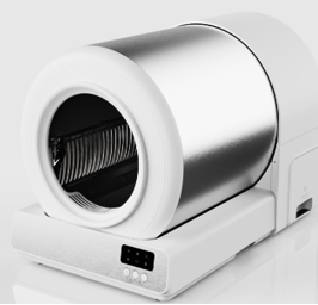
Steel litter boxes sit at the premium end of the range, and automatic steel models sit higher still. Plastic covers the entry and mid tiers, including semi-enclosed and bathtub styles. That tiering is useful: a store that carries both can trade a customer up from plastic to steel, or trade down when budget is the deciding factor.
Do not present steel as simply “better” — present it as longer-lasting and easier to keep clean, at a higher price. Customers who buy on lifespan will choose it; customers who buy on price will choose plastic, and both are good sales.
5. Which customers buy which?
Steel buyers are usually experienced cat owners replacing a box they already own, or buyers furnishing a new home who want to buy once. Plastic buyers are often first-time cat owners, multi-cat households that need several boxes, or customers buying a second box for another room.
Ask one question on the shop floor — “Is this your first litter box, or a replacement?” — and the material choice usually answers itself.
Building the assortment
A practical starter range covers three slots: one entry plastic box, one mid-range enclosed plastic box, and one stainless steel box (a fully automatic steel model if your customers ask for it). That is three SKUs that answer three different budgets, and it keeps the shelf simple enough for staff to explain.
Keep the weight and dimension details visible on the shelf for every model. Vague sizing is the most common reason a litter box comes back — for steel and plastic alike.
Want the full range before you decide? Browse our wholesale litter boxes — 42 models across smart, stainless steel, enclosed and bathtub styles — or request a quote and tell us which models you want priced. Pricing and MOQ are available on request.