Small pet habitats look simple — a cage is a cage, until a dwarf hamster slips through bars spaced for a Syrian, or a first-time owner's "starter cage" turns out too small for the animal to live in humanely. Hamsters, gerbils and other small pets are often a family's first pet, which makes the habitat the highest-advice purchase in your store: get it right and you have earned a customer for the animal's whole life of food, bedding and toys. This guide covers the six factors US wholesale buyers should weigh when sourcing wholesale hamster cages and small pet habitats.
Why habitats anchor the small-pet department
The habitat is the platform sale: wheels, tunnels, bedding, food and water accessories all attach to it, and the owner returns monthly for consumables. It is also the purchase where store advice matters most — online listings routinely mislabel sizes and bar spacing, so a retailer who can explain fit in thirty seconds wins the sale and the trust that follows. Stock habitats deliberately, and the whole small-pet wall performs better.
6 things to check before ordering habitats wholesale
1. Species fit and bar spacing
This is the safety spec, and it is species-specific. Dwarf hamsters and young animals squeeze through gaps a Syrian hamster cannot — as a working rule, dwarf species need bar spacing around 1cm or less, and any gap wider than the animal's skull is an escape route. Before ordering, map each cage in your wholesale habitats lineup to the species you will honestly recommend it for, and refuse the temptation to label one cage "for all small pets." Check door latches too: small pets learn weak latches, and an escape story is the review your store does not want.
2. Floor space and layout
Welfare guidance keeps moving toward more continuous floor space, and informed customers now ask about dimensions before price. Evaluate usable floor area — not just footprint, but how much survives once a wheel, house and food area are placed. Multi-level designs like our double-layer PL152 add genuine living zones (sleep up top, forage below) as long as ramps are solid and levels do not steal the ground floor. A cage that photographs big but lives small creates returns and quietly angry reviews; measure the inside, not the box art.
3. Ventilation and materials
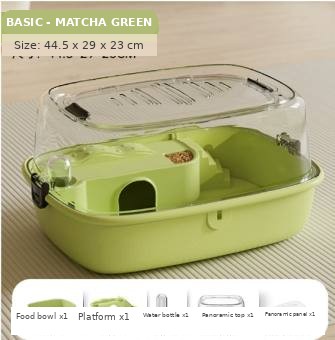
Barred cages ventilate best; enclosed or tank-style habitats trap ammonia and need far more frequent cleaning — know which you are selling and say so. On materials, check chew resistance on every plastic edge within reach, coating quality on bars (flaking paint is a chew target and an ingestion risk), and whether bases and trays are made of sturdy, non-toxic plastic that survives weekly washing. Ask the supplier about replacement trays and latches — the parts owners actually break — before the first order, not after the first complaint.
4. Cleaning access
Owners clean habitats weekly, so access design decides whether they keep up the routine. Look for wide doors that fit a hand and a hide house, fully removable base trays, and corners that wipe rather than trap bedding. Flat-pack designs that click apart for a full wash are a genuine selling point — demonstrate one in store if you can. Cleaning friction is the main reason small-pet keeping gets abandoned, which makes easy-clean design a retention feature for your store, not just a spec on a box.
5. Travel cages and seasonal extras
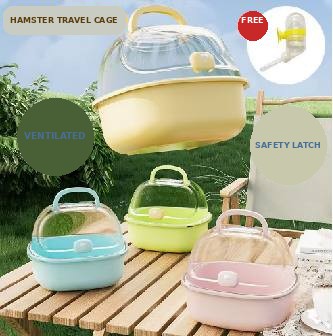
Every habitat customer also needs a travel solution — vet trips, cage-cleaning days, holiday boarding — so a compact travel cage like our PL153 is the natural attach sale beside every habitat you sell. Beyond the core range, watch for seasonal and educational niches: rearing kits such as our PL154 silkworm kit sell strongly in school-project season and bring parent customers into your small-pet aisle. Neither line needs deep stock; both raise basket value and give your department something to talk about.
6. Bundling and supplier support
Habitats sell best as the start of a bundle: cage plus wheel, bedding and a starter food pack reads as "everything you need tonight" to a first-time owner, and it lifts ticket size without discounting. Build the bundle around what the supplier can keep in stock consistently — matched reorders matter in this category because a cage line that changes dimensions between shipments breaks your accessory fit advice. Before committing, confirm the SKUs are regular catalog lines, carton quantities suit your shelf, and defect handling (cracked bases arrive — ask how they are replaced) is clear in writing.
Merchandise habitats with enrichment
A habitat displayed empty is furniture; displayed with a wheel, tunnels and chew toys installed, it is a home a parent can picture. Cross-merchandise from your wholesale toys and enrichment range — the exercise wheels and teaser toys that keep small pets active — and set one fully dressed floor model per size tier. The floor model quietly answers the "is it big enough?" question better than any dimension chart, and it pulls the accessory attach rate up with it.
Start focused, then scale
Open with a tight range: one proven core cage, one larger or double-layer step-up, and one travel cage as the attach item. That trio covers the first-time buyer, the welfare-minded upgrade buyer, and the add-on sale — without spreading your budget across slow variants. Watch which species your local customers actually keep, note the fit questions your staff hear, and deepen the winning tier after six to eight weeks. When you are ready, send us your shortlist — we will confirm dimensions, bar spacing, carton quantities, pricing and lead times before you commit.