Choosing a wholesale pet supplier is a bigger decision than choosing a product. The wrong supplier costs you shelf space, staff time, and customer trust. The right one becomes a reliable source you can reorder from with confidence.
Use this checklist before you place your first order. It works whether you run a single store or a small chain.
1. Start with the catalog, not a single product
A supplier with one good product and nothing else will leave you short when trends shift. Look for a catalog that covers the categories your customers actually buy: toys, feeders and water dispensers, litter boxes, carriers, and small pet habitats.
Ask yourself three questions:
- Does the range cover more than one price tier and pet size?
- Are there options for both cats and dogs, not just one?
- Could you build a coherent shelf display from this catalog alone?
A broad catalog also matters for freight. Filling an order from one supplier, rather than splitting it across several, keeps shipping simpler and easier to track.
2. Judge product quality before you judge the price
A low wholesale cost means little if the product breaks, leaks, or gets returned. Before ordering in volume, check the details that drive returns:
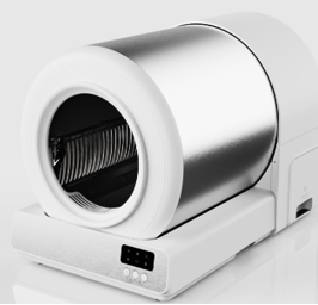
- Materials and construction. Stainless steel litter boxes, for example, resist odor and scratching better than thin plastic. For toys, look at seam strength, chew resistance, and whether moving parts are protected.
- Everyday usability. Does the feeder dispense reliably? Is the water bowl easy to clean? Can a customer work out the product without a manual?
- Safety basics. Check for sharp edges, small parts that could detach, and cords or batteries that need clear instructions.
If the supplier offers samples or detailed product photos and specifications, use them. A supplier that hides product details is telling you something.
3. Understand the shipping terms in plain language
International wholesale orders live or die on shipping terms, so get them in writing before you commit. The key question is simple: who handles what, and where does the supplier's responsibility end?
Common points to confirm:
- Where the goods are collected from, and who arranges freight from there.
- Who pays import duties and taxes on arrival. These are usually the buyer's responsibility, so budget for them separately.
- What packaging the goods ship in, and whether cartons are neutral or branded.
- How damage or shortages in transit are handled.
If any of these answers are vague, ask again before ordering. Clear terms protect both sides.
4. Test-sell before you commit to volume
You do not need to bet your whole budget on an unproven product. A sensible first order tests a small number of lines across categories, then expands what sells.
A practical approach:
- Pick two or three categories your customers already ask about.
- Choose a small range within each, covering different sizes or price points.
- Give the products a fixed test period on the shelf.
- Reorder only the lines with real sell-through and few returns.
This approach also tells you how the supplier performs in practice: how fast they confirm orders, how accurately they pack, and how they respond when something goes wrong.
5. Check communication and support
You will need your supplier after the sale, not just before it. Pay attention to how they communicate during your first inquiry:
- Do they answer specific questions, or send generic replies?
- Do they confirm product details, shipping terms, and timelines in writing?
- Is there a single contact you can reach if an order has a problem?
Slow or vague communication before an order rarely improves after one. A supplier who answers clearly at the inquiry stage is usually the one who sorts out problems fastest later.
6. Look for signs of a real manufacturer connection
Many wholesalers are middlemen. That is not necessarily a problem, but it helps to know where you stand. Suppliers with a direct factory connection can usually answer detailed product questions, explain material and construction choices, and keep specifications consistent between batches.
Ask how the supplier sources its products and how it handles quality checks. Consistent answers across products are a good sign. Contradictory answers are a warning.
A simple first-order checklist
Before you send your first order, make sure you can tick every box:
- The catalog covers the categories your customers buy.
- You have checked materials, construction, and usability, not just photos.
- Shipping terms, duties, and packaging are confirmed in writing.
- Your first order is sized to test-sell, not to gamble.
- You know who to contact if something goes wrong.
- You have a full catalog to review before deciding.
If a supplier passes this checklist, you have a solid basis for a first order — and for a longer relationship if the products sell.
Request our wholesale catalog
If you are evaluating suppliers for your store or distribution business, we are happy to help you compare. Browse our product categories, or contact us to request the full wholesale catalog and discuss your first order.