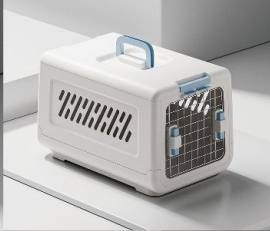
Pet carriers are not an everyday purchase. Most customers buy one when a trip, a move, or a vet visit forces the issue — and then they want it right away. For a pet store, that makes carriers a classic seasonal line: demand clusters around holidays, summer travel, and moves, and walk-in customers are usually in a hurry.
Stocking carriers well is less about carrying every style than covering the situations your customers actually face.
1. Start with size, not style
The most common reason a carrier comes back is fit. A carrier that is too small stresses the pet; one that is far too large lets the pet slide around in the car. Help your customers get the size right, and returns drop.
A good rule to teach staff and print on a shelf card: the pet should be able to stand up, turn around, and lie down comfortably inside. That means you need to stock more than one size. A single "one size fits most" carrier fits almost nobody well.
For a first assortment, cover small, medium, and large pets, and make sure the weight guidance for each model is visible on the shelf. If a supplier gives you weight and dimension details, use them — vague sizing is a warning sign, not a selling point.
2. Know the carrier types your customers ask for
Customers usually arrive with a trip in mind, not a product type. Matching the carrier to the trip is the fastest way to a confident sale.
- Soft-sided carriers. Light, flexible, and easy to store flat when not in use. Popular for cats and small dogs, especially for vet visits and short car trips. Check the frame and base: a carrier that collapses under its own load is not a bargain.
- Hard-sided carriers. Sturdier and easier to clean, and a common choice for larger pets and longer journeys. Look for secure latches and a door that opens smoothly — a stiff or flimsy door is the first thing a customer notices.
- Wheeled and pull-rod carriers. A practical pick for customers travelling through airports or stations on foot, since they do not have to carry the pet's full weight. Test the handle and wheels yourself: they should extend, lock, and roll straight.
- Carrier boxes for air travel. Some customers specifically need a carrier for a flight. This is the category where advice matters most, because airline and transport rules vary and change. Never promise a customer that a carrier will be accepted on a particular flight — point them to the airline's current requirements and let them confirm before they buy.
- Travel cages. A useful crossover for small pets, bridging your carrier range and your small pet habitats section. Customers buying a travel cage often need bedding, food, and water accessories too, which makes it a natural bundle.
A small range across these types covers far more trips than a deep range in one type alone. Browse our full litter boxes and carriers category to see how the types sit side by side.
3. Check ventilation, visibility, and comfort
A carrier is a small enclosed space, so airflow and comfort decide whether a pet settles or panics. Before you order a line, check these details:
- Ventilation on more than one side. Mesh panels or vents on several sides keep air moving and let the pet see out, which calms many animals.
- A flat, stable base. A base that sags or tips makes the pet feel insecure and makes the carrier awkward to carry.
- Easy access. Top-loading openings are a real advantage for cats that resist being pushed through a front door. If a carrier opens only one way, say so on the shelf.
- Washable interiors. Accidents happen on trips. Removable, washable pads or liners are a selling point worth mentioning, and they give you a natural add-on sale.
4. Judge safety and build quality before the price
A carrier is safety equipment, not just a bag. The details that matter are the ones that fail under load:
- Zippers and latches. Test them repeatedly. A zipper that sticks or a latch that pops open under pressure is a return waiting to happen.
- Handles and straps. Handles should feel secure with weight inside, and shoulder straps should be adjustable and stitched, not just glued.
- Seams and materials. Look for reinforced seams at stress points and materials that hold their shape. Thin fabric that tears at a corner will cost you more in returns than it saves on the order.
- Cleaning and care. Can the carrier be wiped down or washed after a trip? Customers ask this more often than retailers expect.
If a supplier cannot answer these questions clearly, or offers only glossy photos with no specifications, treat that as information. The best wholesale partners answer product questions in detail before you order.
5. Build the assortment around trips, not just products
The easiest way to sell carriers is to merchandise the trip, not the box. Group a carrier with the items a travelling pet owner needs next: a portable water dispenser from our feeders and water dispensers range, a familiar toy or comfort item for the journey, and a washable liner. A customer buying for a flight, a road trip, or a move will recognise their own situation in that display — and buy the bundle instead of just the box.
Time your orders to the travel calendar. Order ahead of holiday and summer peaks so stock is on the shelf when customers start asking, not after they have already bought elsewhere. And keep a small number of your best sellers in depth rather than spreading the same budget thinly across many slow lines: a sold-out popular size loses you the sale, while a dusty slow line just loses you shelf space.
A quick carrier stocking checklist
Before you place a carrier order, make sure you can tick every box:
- Small, medium, and large sizes are covered, with weight guidance on display.
- Soft-sided, hard-sided, and wheeled options cover the trips your customers take.
- Ventilation, a stable base, and easy access are checked on every model.
- Zippers, latches, handles, and seams have been tested, not just photographed.
- Air-travel customers are directed to current airline rules, not promised acceptance.
- Carriers are merchandised with water dispensers, travel toys, and washable liners.
- Stock arrives ahead of holiday and summer travel peaks.
Done well, carriers earn more than their shelf space suggests: they bring in customers at exactly the moment they need help, and a good first experience sends them back for food, toys, and everyday supplies.
Request our wholesale catalog
If you are building a travel assortment for your store or distribution business, we are happy to help you compare carrier types and sizes. Browse our product categories, or contact us to request the full wholesale catalog and discuss your first carrier order.