The litter box is the least glamorous product in your store — and one of the most frequently replaced. Cats use it every day, owners notice every flaw, and the category has quietly split into three very different businesses: basic open trays, enclosed boxes that promise odor control, and automatic self-cleaning models at genuinely premium prices. For pet stores and distributors, wholesale litter boxes reward a deliberate assortment: the right tier mix turns a commodity purchase into an upgrade conversation. This guide covers the six factors US wholesale buyers should weigh before placing an order.
Why litter boxes are a repeat-traffic category
Every cat household needs at least one box — multi-cat guidance says one per cat plus a spare — and boxes wear out: plastic scratches, absorbs odor, and gets replaced. That replacement cycle brings customers back through your door on a predictable rhythm, where they also buy litter, food and everything else. The upgrade path is natural, too: a customer who started with a basic tray is the same customer who, two years later, is ready to hear about enclosed designs or an automatic unit. Stock the ladder, and the category sells itself upward.
6 things to check before ordering litter boxes wholesale
1. Tier mix: open, enclosed and automatic
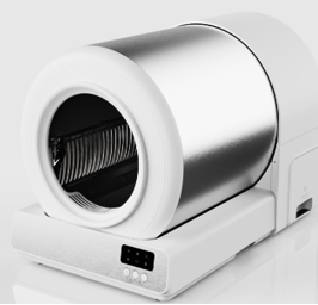
These are three different customers. Open trays are price-driven and sell on convenience. Enclosed boxes sell on odor control and privacy — the apartment customer's pick. Automatic self-cleaning models sell on time: they are an appliance purchase, researched and compared like one. A balanced wholesale litter box lineup carries all three tiers, because the customer standing in your aisle has already decided which problem they are solving — your job is to have their tier on the shelf at a fair step-up price from the one below it.
2. Sizing and entry design
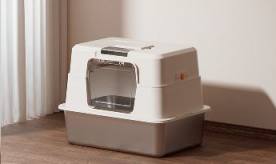
Undersized boxes are the top driver of "my cat won't use it" returns. Check interior dimensions against large breeds — a Maine Coon needs real turning room — and think about entry height both ways: high entries keep litter in but shut out kittens and senior or arthritic cats. If you serve an aging-pet demographic, stock at least one low-entry option and say so on the shelf talker. For enclosed models, confirm the door swing and interior height suit an average adult cat, not just the kitten in the product photo.
3. Material: plastic vs. stainless steel
Plastic wins on price and weight; stainless steel wins on everything that happens after month three. Scratched plastic traps odor permanently, while steel does not absorb smells, wipes clean, and survives years of use — which is why steel models like our PL133 and PL134 anchor the premium end of the enclosed and open ranges. When you compare quotes, ask about plastic grade and wall thickness on the value tier, and whether steel models are genuinely stainless throughout or steel only on the base pan. The material story is easy for your staff to tell and easy for customers to verify in-store — that makes it a reliable upsell.
4. Cleaning design
A litter box is cleaned hundreds of times in its life, so small design choices compound. Look for smooth interior corners with no litter-trapping seams, removable trays or liners that actually fit, and — on sifting or automatic models — waste capacity that matches a realistic week, not a best-case day. Ask the supplier which litter types each model is tested with; an automatic box that only works with one proprietary litter is a harder sell than one that runs on standard clumping litter. Cleaning friction is the quiet reason premium boxes get abandoned — and returned.
5. Odor and litter-tracking control
Odor is the complaint that drives upgrades, so evaluate the features customers will credit: full hoods with sealed seams, carbon filter slots (and whether replacement filters are stocked and priced sanely), high-sided walls for enthusiastic diggers, and exit-path designs that knock litter off paws before it reaches the floor. Be honest in your own merchandising — no box eliminates odor with neglected litter — but a well-designed enclosed unit genuinely contains it between cleanings, and that is the promise your customer is buying.
6. Automatic models: safety and supplier support
Self-cleaning boxes carry a trust burden like feeders do: the device operates around the animal unsupervised. Before ordering any automatic model, ask about the sensor system (weight and presence detection), anti-pinch protection, and what the unit does when a cat re-enters mid-cycle — the answers should be specific, not sales language. Then ask the appliance questions: dead-on-arrival replacement terms, motor warranty period, and separate availability of waste drawers, filters and power adapters. A supplier who stocks spares and answers defect questions in writing is the supplier whose automatic tier you can sell with confidence.
Round out the aisle: carriers and grooming
The litter customer is also your carrier and grooming customer. A pull-rod or airline-approved carrier (like our PL138 and PL140) sits naturally in the same aisle — vet trips and litter runs come from the same household routine — and a pet hair dryer serves the grooming-minded owner who already buys premium hygiene. Merchandised together, the litter, carriers and grooming range reads as one "cat care" department instead of scattered SKUs, and basket size follows.
Start focused, then scale
A workable first order is smaller than you think: one open value tray, one enclosed step-up (steel if your market supports it), and one automatic model as the display anchor. Three tiers, three price points, every customer self-selects. Track which tier moves for six to eight weeks, note the questions your staff keep hearing, then deepen the winning tier. When you are ready, send us your shortlist — we will confirm dimensions, carton quantities, pricing and lead times before you commit.